 TapNoise


In your menu bar
One click, a new sound.
Turn TapNoise on or off, set the volume and switch sounds right from the menu bar. Tappy, Clean Mode and Guard Mode are there too.
Keyboard sounds for Mac
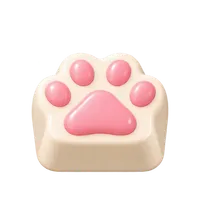
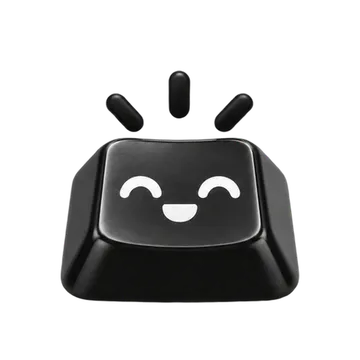
TapNoise gives your Mac the sound of a dream keyboard: 20 sounds, from a deep thock to tiny paws. Tappy, a little keycap on your desktop, reacts to everything you do, and even tells you when your AI agent is done.
One-time purchase from $14.99. No in-app trial. 7-day refunds.
The real thing
Try it here
Pick a sound, click the box and type. Every sound here is the real one from the app.
Thock
Deep and heavy, like a custom board
Turn your sound up. These are the app's own sounds; on a Mac they play under every key, in every app.
In your menu bar
Turn TapNoise on or off, set the volume and switch sounds right from the menu bar. Tappy, Clean Mode and Guard Mode are there too.
While you type
Tappy presses along with every key and shows your words per minute underneath. Here it is with Thock, Typewriter and Paws, as they really sound.
Settings
All 20 sounds, how the keyboard feels, lid and slap sounds, little sounds for the charger and USB, and your stats with Tappy’s hats.
Clean Mode
Clean Mode holds the keyboard and trackpad still while you wipe them, with a countdown so you know when it’s done. Hold Esc to stop early.
For developers
Your AI agent finishes, TapNoise chimes and Tappy celebrates. When it needs you, Tappy sweats until you knock twice or click it, and your terminal comes back to the front.
Feels real
Most keyboard sound apps play every key the same. TapNoise feels how hard you press through the MacBook’s motion sensor, and every key plays as loud as you hit it.
Every key gets a take of its own, so fast typing never sounds like a machine gun. Space, Return and Delete sound like the bigger keys they are, and the stereo follows the key, left to right.
More than keys
Slap it and it says ouch. Open the lid and the hinge creaks like an old door, faster the faster you move it. The charger and USB plugs get their own little sounds.
Slaps, knocks and pressure need a MacBook with a motion sensor: MacBook Pro with M1 Pro or later, or MacBook Air with M2 or later. The lid creak needs a lid angle sensor: the same models, plus the 2019 16-inch MacBook Pro.
Meet Tappy
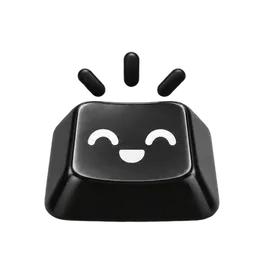
Tappy is the desktop pet in TapNoise. Drag the little keycap to a corner of your screen. It presses down with each keystroke, sweats when you type fast and falls asleep when you step away.
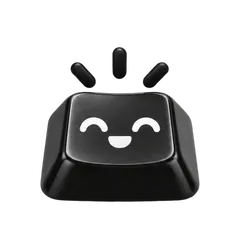
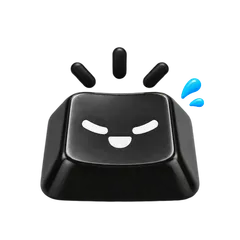
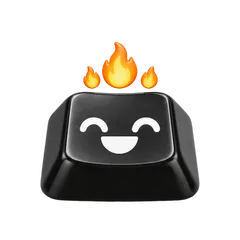
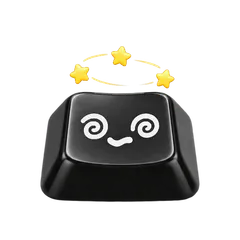
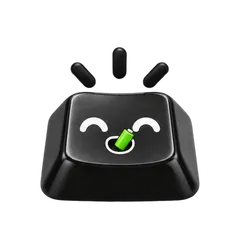
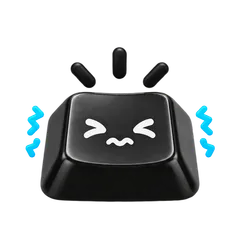
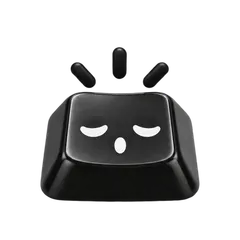
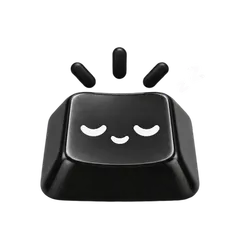
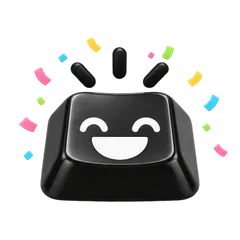
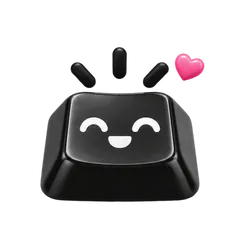
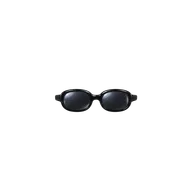
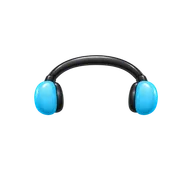
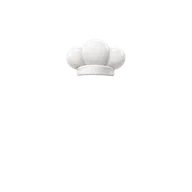
Type, level up, and Tappy unlocks hats to wear. Keep a daily streak going, watch your typing speed, and get a card of your week to share.



Useful, too
The same sensors that make the sounds do real work.

Knock twice on your MacBook to pause the music, mute your mic in a call, or answer a waiting AI agent. Three knocks lock the screen.

Leaving your MacBook at a café table? If someone lifts it or pulls the charger, it sounds a loud alarm. Turning it off takes your Touch ID or password, though Force Quit ends Guard, and closing the lid may put the Mac to sleep. Lift detection needs a MacBook with a motion sensor; other Macs get the charger alarm only.
Holds the keyboard and trackpad still, so you can wipe them without typing nonsense or clicking anything.

Hold ⌘ for a second to see every shortcut in the app you’re using. Let go and it’s gone.
Tappy reminds you to stretch after a long stretch of work, and nudges you when you start hammering the keys.
Pick Piano, Kalimba or 8-bit and every key plays the next note of a song. Type an email, hear Für Elise.
Your words per minute, live under Tappy, with your best today and your best ever.
TapNoise goes silent while any app is using your microphone, so nobody in the meeting hears your thock.
For developers
Coding with Claude Code, Codex or Cursor? Look away while it works. TapNoise chimes when your agent is done or needs you, so you stop checking the terminal.

When your agent is waiting on you, knock twice on your MacBook and its window jumps to the front. Or just click Tappy.
Settings › Agents › Connect. TapNoise backs up your settings first, adds one small hook, and Remove takes it out again.
The cues are made from the keyboard sound you picked, so they sound like part of your Mac, not another alert. They stay quiet in calls and follow your volume.
Works with Claude Code (done, needs you and errors), Cursor (done and errors) and the Codex CLI (done). Knocking needs a MacBook with a motion sensor; clicking Tappy works on any Mac.
Private by design
TapNoise learns which key position went down, so it can play the right sound. It never sees what you type, and keeps only counts. From AI agents it hears only “done”, “needs you” or “error”, never your code.
There is nothing to sign up for and no analytics in the app. Your stats, levels and hats stay on your Mac.
TapNoise goes online to activate and check your license key with Dodo Payments, and once a day to look for an update. Nothing about your typing is sent.
Every sound, Tappy and every tool on one Mac or two, with every update. Or get it in a bundle with my other Mac apps.
$14.99$14.99
$20.99$20.99
Black Friday Sale through 30 Nov 2026, 23:59 UTC. The discount applies at checkout.
Both include
One-time payment in US dollars, before tax. Dodo Payments shows the final total and emails your license key. Paid license required, no in-app trial, 7-day refunds. macOS 14 or later. Already bought it? Download TapNoise.
 HeyDock · Also by Rudra
TapNoise makes typing feel good. HeyDock helps you stay with what you sat down to do.
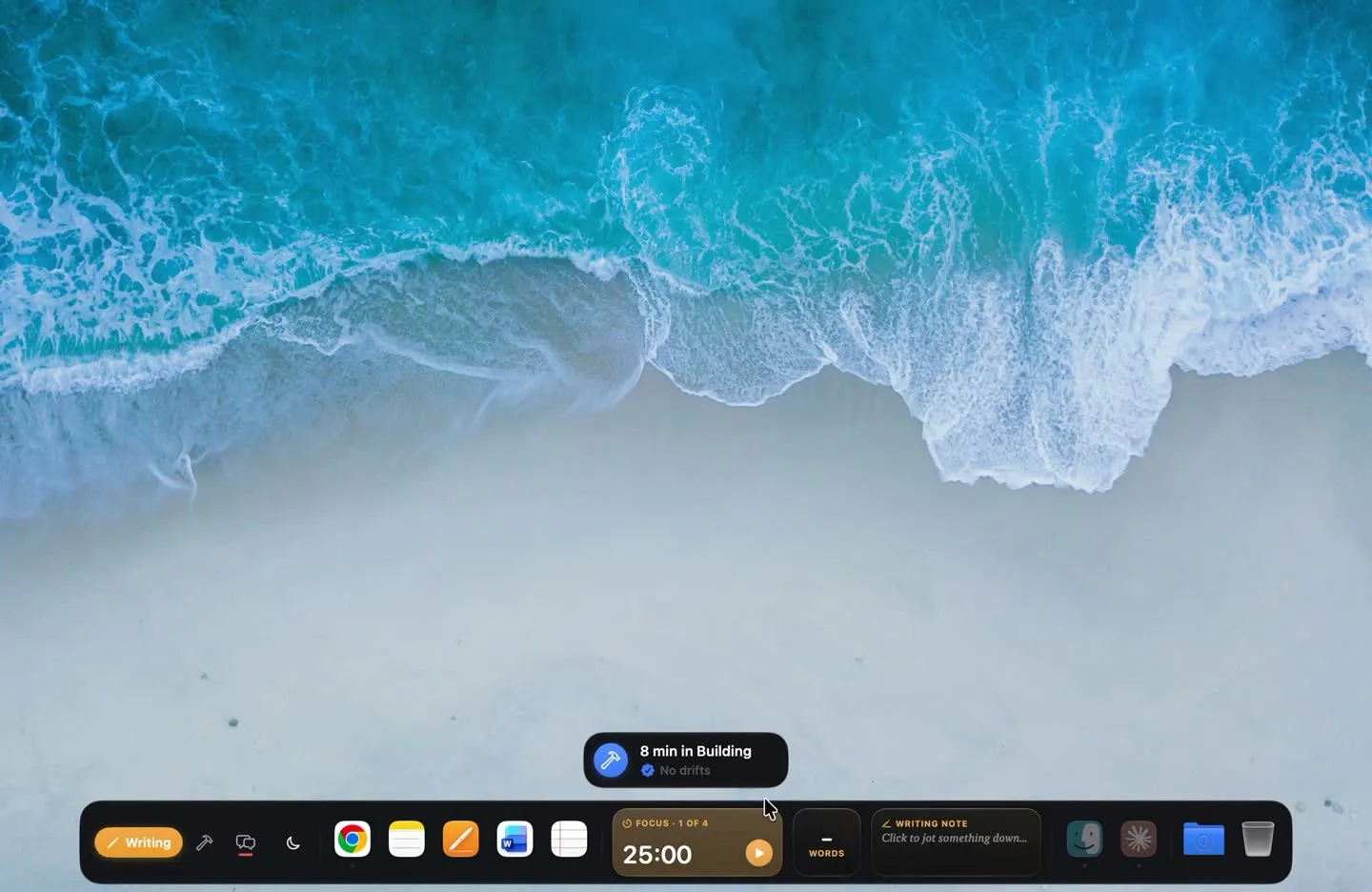
Writing, building, meetings. Each mode brings its own apps, sites and widgets to your Dock, with a gentle nudge before you drift into distractions.
A separate Mac app · One-time purchase · macOS 26 or later on Apple silicon
TapNoise is a keyboard sound app for Mac with 20 sound themes, Tappy the desktop keycap buddy, and completion alerts for Claude Code, Codex CLI and Cursor. It works on macOS 14 or later on Apple silicon and Intel. It is a paid, one-time purchase with no in-app trial; you can try the real sounds in the browser before buying.
No. TapNoise responds to key positions to play sounds; it does not record your text or passwords. It keeps counts such as taps today and has no analytics in the app. It goes online to activate and check your license key and to check for app updates.
Any Mac with macOS 14 or later plays the key, click, charger and USB sounds, with the built-in keyboard or any keyboard you plug in, and Guard Mode sounds its charger alarm. The motion features (harder press, louder sound; slaps; knocks; Guard Mode’s lift alarm) need a MacBook with a motion sensor: MacBook Pro with M1 Pro or M1 Max and later, and MacBook Air with M2 and later. Lid sounds need a lid angle sensor: the same models, plus the 2019 16-inch MacBook Pro.
No. Sounds start within a few milliseconds of the key, faster than you can notice. With AirPods or other Bluetooth headphones, Bluetooth itself adds a delay, so TapNoise can play its sounds through the MacBook speakers instead.
TapNoise goes quiet by itself while Zoom, FaceTime or any other app is using your microphone. You can turn that off in Settings if you like the company.
It is built to be light. On a MacBook Air, typing at full speed uses about 4% of one CPU core and around 30 MB of memory. The motion sensor slows down when you are not typing, and turns off with the features that use it.
No. TapNoise needs a license key from the first launch: a one-time purchase of $14.99 for one Mac (Solo) or $20.99 for two (Duo), plus tax, with no subscription. You can hear every sound in the website demo before buying. Solo and Duo purchases have a 7-day money-back guarantee. Diwali Solo offer orders are final sale: no voluntary refunds; statutory rights and Dodo buyer terms apply.
TapNoise is signed by its maker but not notarized by Apple, so macOS asks once. Open System Settings, Privacy & Security, and click Open Anyway next to TapNoise. The download page walks through it.
The license key arrives by email the moment you buy. Paste it in TapNoise Settings, License, Enter Key. A Solo key works on 1 Mac at a time, and a Duo key on 2 Macs. Every update is included, and there is no subscription. To move it, click Remove from this Mac on the old Mac, then activate it on the new one.
Solo and Duo purchases have a 7-day refund window. Diwali Solo offer orders are final sale, with no voluntary refunds; statutory rights and Dodo buyer terms apply. You can hear every sound in the website demo before you buy.
Claude Code, Cursor and the Codex CLI. Open TapNoise Settings, Agents, and click Connect next to each one. You hear a sound when an agent is done, when Claude Code needs your permission, and when Claude Code or Cursor hits an error. When an agent is waiting, knock twice on your MacBook, or click Tappy, to jump straight to its window.
No. The hook tells TapNoise only which agent it was and what happened: done, needs you or error. TapNoise adds one entry to each agent’s settings file, backs the file up first, and Remove takes it out again. Nothing about your agents ever leaves your Mac.
TapNoise is made independently by Rudra Satani, who also makes HeyDock, a Mac Dock replacement and focus app. Each mode has its own apps, sites and widgets, so your Dock follows you between writing, building and meetings. HeyDock is a separate purchase for macOS 26 or later on Apple silicon.
Every sound, Tappy and every tool, once: $14.99 for one Mac, or $20.99 for two.
Paid license required. No in-app trial. Hear the sounds in your browser.